


 By
By Strategic Partnership on Minerals and Trade
Narendra Modi and Luiz Inacio Lula da Silva held discussions in New Delhi aimed at strengthening cooperation on critical minerals and rare earth resources. The talks focused on expanding trade relations and securing supply chains for materials essential to modern technology.
The leaders are expected to sign a memorandum of understanding on critical minerals. This agreement aims to enhance collaboration in sourcing and processing minerals used in electric vehicles, solar panels, smartphones, and advanced defense systems.
Importance of Critical Minerals
Brazil holds one of the world’s largest reserves of rare earth elements, ranking second globally. These minerals play a crucial role in technological innovation and energy transition initiatives. At the same time, India is working to reduce dependence on external suppliers and strengthen domestic production and recycling capabilities.
With global demand for sustainable energy solutions increasing, access to critical minerals has become a strategic priority for many nations. India seeks to diversify its supply chains and develop partnerships with resource-rich countries to support industrial growth.
Expanding Economic and Trade Relations
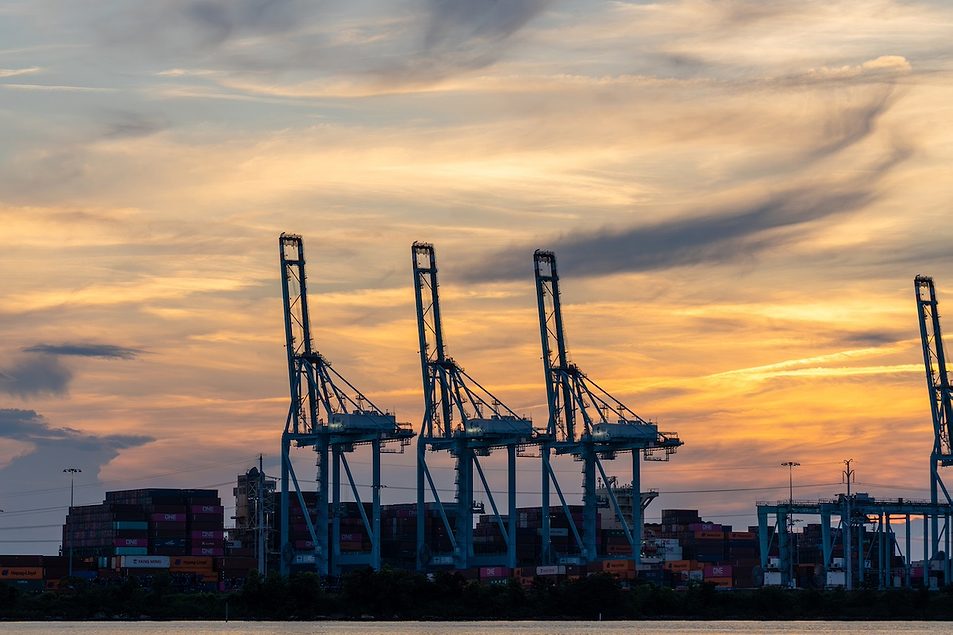
Officials indicated that discussions will also address efforts to boost bilateral trade. Commerce between the two countries reached more than $15 billion in 2025, making India a major market for Brazilian exports. Both nations have set an ambitious target of $20 billion in trade by 2030.
Brazil’s key exports to India include sugar, crude oil, iron ore, and agricultural products. Demand for iron ore has grown due to infrastructure expansion and industrial development in India, contributing to stronger economic ties.
Global Trade and Multilateral Cooperation
The leaders are expected to discuss challenges affecting international trade and multilateral economic systems. Both nations experienced trade tensions related to tariffs imposed by the United States in 2025. While some restrictions have since been eased, the situation highlighted the need for diversified trade partnerships.
Diplomatic officials emphasized that stronger collaboration between emerging economies can enhance global trade stability. Partnerships among developing nations help create resilient supply chains and promote technological innovation.
Future Prospects for Cooperation
India and Brazil are also exploring opportunities in advanced manufacturing and aerospace. Companies such as Embraer and the Adani Group have announced initiatives to manufacture aircraft in India, signaling growing industrial collaboration.
The discussions align with broader efforts to strengthen South-South cooperation and economic integration. Both countries aim to leverage their complementary strengths to foster sustainable development and technological progress.
Global Governance and Technology
During his visit, President Lula addressed the AI Impact Summit in Delhi, advocating for an inclusive framework for artificial intelligence governance. He stressed the importance of multilateral cooperation in shaping digital policies that benefit all nations.
Following his engagements in New Delhi, Lula is scheduled to visit South Korea for further diplomatic and business discussions.